Running
Tips for New, Returning and Experienced Runners
By Andrew Greenhalgh Updated October 2026
Running tips are everywhere, but good advice is not just about what sounds convincing. It has to fit the runner, the goal and the stage they are at.
Whether you’re taking your first running steps, returning after time away or searching for a better way forward, you’re in the right place. I created My Running Tips to cut through the noise—questioning fads, testing familiar claims against the evidence and turning what genuinely helps into clear, practical guidance you can trust.
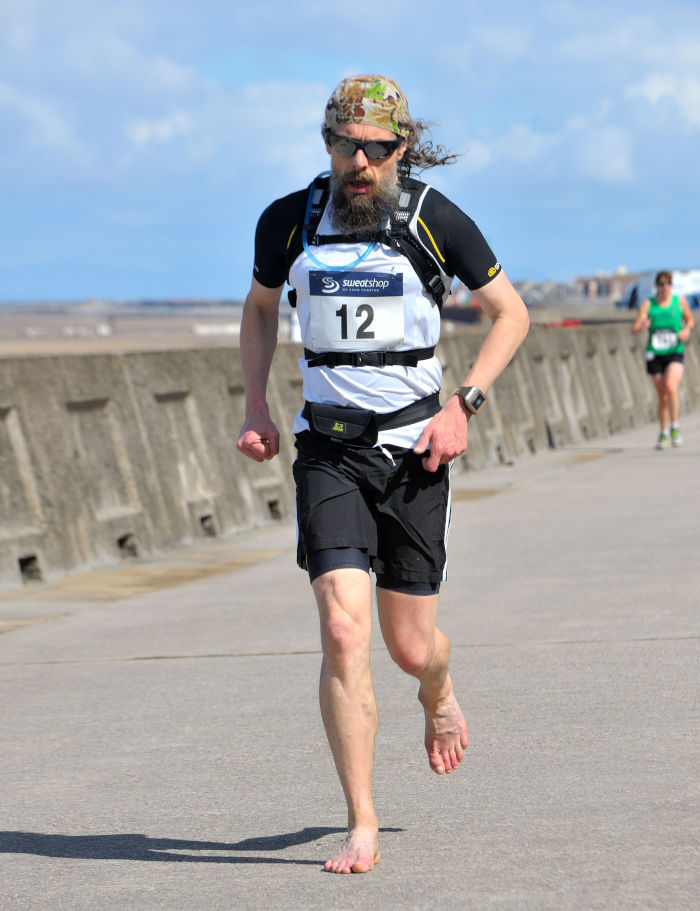
I write for runners with goals to chase and everyday lives to fit them into. Work, family and setbacks all shape how much we can do. Here you’ll find programs to give your training direction, support when progress stalls, and clear explanations of the research to help you understand what’s worth trying—and why.
Start
Where You Are
New to running or returning after a break? Begin with the basics of building fitness, finding a manageable pace and making running part of your week. Start with Running for Beginners.
Looking for a program or your next running goal? Explore Running Training Plans to choose a starting point and understand how different sessions fit together.
Want to introduce strength work? My Strength Training for Runners page introduces exercises you can explore alongside your running.
Managing pain, injury or a setback? Visit Running Injuries for information on common problems, prevention and recovery.
Hoping to lose weight through running? Explore Running to Lose Weight for guidance on how running, food choices and recovery fit together.
How
I Weigh Running Tips and Research
I take a research-led approach to running tips, but I try to make it human.
When I look at a running claim, I want to know what the evidence really shows, how strong it is, whether other findings point the same way, and whether it applies to everyday runners or only to a narrow group in ideal conditions. Sometimes the research is fairly solid. Sometimes it is mixed. Sometimes a popular idea turns out to be much less certain than it sounds.
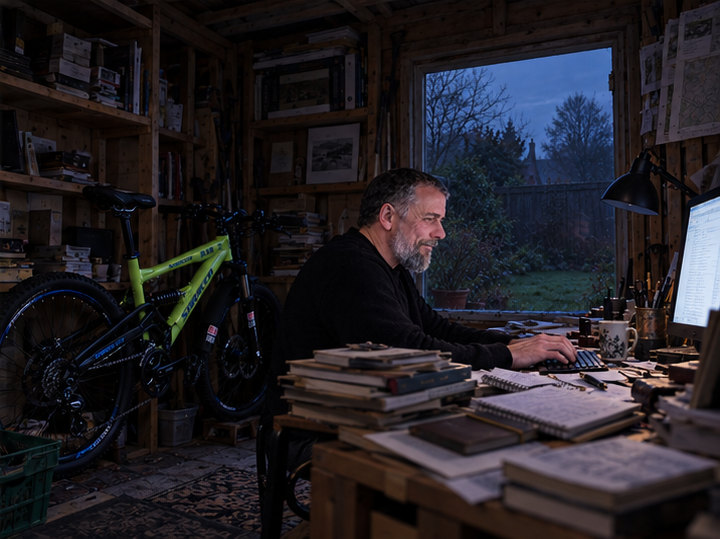
My own experience helps me put the research into perspective, particularly when it comes to training, working through setbacks and fitting running into everyday life. But what has worked for me won’t necessarily work for you. I share that experience to help you weigh up the advice, while being clear about what it can—and cannot—tell us.
I’m gradually updating the site, adding research references and explaining what I make of the findings. You don’t need to read every study, but the sources are there if a topic interests you or you want to check my thinking. Some older pages are still awaiting revision; look for my name and a 2026 date at the top to identify those updated as part of the rebuild. If my name and date aren’t there, it’s an old page.
The
Four Foundations
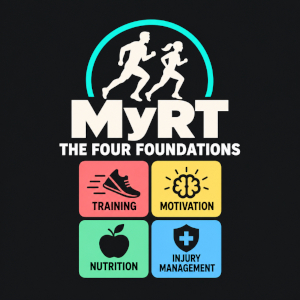
I keep coming back to four interconnected areas that support long-term running: Training, Motivation, Nutrition, and Injury Management.
Training
Building fitness for the running you want to do, from beginner programs and your first 5k or 10k to speed training for a personal best as well as half marathons and full marathons. I’ll explore strength training alongside running, explaining how easy runs, longer outings, and faster sessions fit together—and how to balance them with recovery. Whether you’re starting out or chasing a new challenge, the aim is to help you choose a suitable program, understand its purpose and adapt it as you discover what works for you.
Motivation
Building the confidence and enthusiasm to keep running, even when progress slows, or life gets in the way. New goals and events can give you fresh purpose beyond your first achievement, helping running remain a rewarding part of your life.
I’m also developing a project combining brainwave entrainment, cognitive training and audio affirmations recorded by Julie and me. In our experience, using these together has boosted our self-belief and running performance, which gives me a reason to explore it further. I’ll share the project’s development and examine the research, keeping our personal experiences distinct from what the evidence can establish (I’ll keep you posted on the MyRT Blog here).
Nutrition
What you eat can make a difference to how you feel, train and recover—and there’s plenty to explore as your runs get longer. Julie brings her knowledge as a qualified nutritionist, while I bring an enthusiasm for experimenting with food and fuelling. She’s equally enthusiastic about telling me off when “trying something different” becomes “taking it far too far”.
“I like to test the boundaries,” I tell her.
I’ll explore everyday eating, running to burn fat and longer-distance fuelling, drawing on Julie’s knowledge and weighing the research alongside experience. Approaches such as keto, carnivore and fasting will get the same curious but critical attention. I’ll share what I’ve tried, what I’ve learned and whether the evidence gives you a good reason to consider it yourself.
Injury Management
Taking
time to understand injury prevention is part of giving yourself the
best chance of staying fit to run. I’ll explore the research on
strength work, gradual progression and recovery, explaining how to
apply it to your training and where the evidence is still unclear.
The aim is to help you understand what your body needs to cope with
the running you ask of it, recognise when you’re doing too much and
make adjustments early. Injuries can still happen, so I’ll also
cover how to respond, when to seek professional help and how to
rebuild with confidence.
Think of these foundations as a guide to managing your running and discovering what could help you improve. You might arrive looking for a training program, then explore food choices for longer runs or ways to rekindle your motivation. Start with what you need now, then use the navigation to explore unfamiliar areas as your running develops.
A
Little About Me — and Julie
I’m Andrew Greenhalgh. I started running in 2001 and have since completed four marathons. My first 10k was Alice’s Run in Hebden Bridge in 2007, where I finished in 61:59. By 2015, I’d brought that down to a personal best of 46:26 at Blackpool. I’ve never been lightning quick, but I enjoyed working towards faster times—and often surprised myself with what consistent training and a bit of determination could achieve.
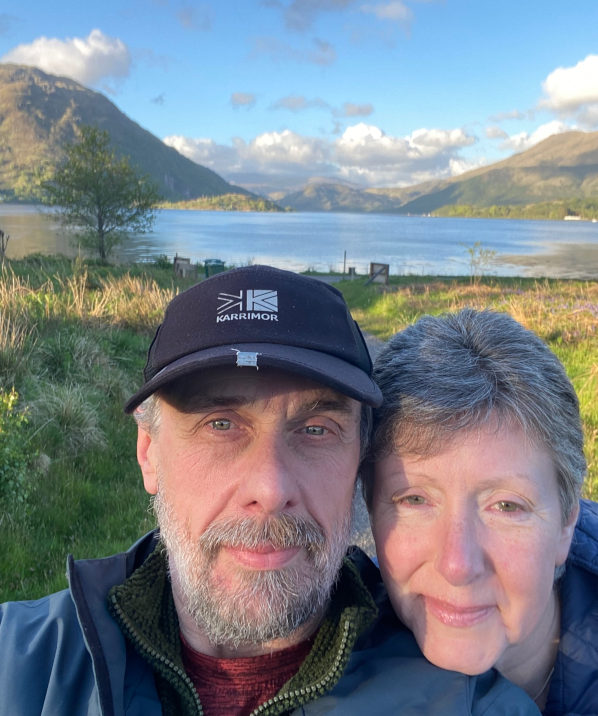
Training for the Ladybower 50-mile ultra in 2013 gave me a different experience from marathon preparation, particularly using run–walk intervals and practising fuelling during longer outings. Injury stopped me a few weeks before the event, so I never got to test that preparation on race day. Running doesn’t always go smoothly; I’ve gained insights from both the enjoyable parts and the disappointments, and I bring those lessons to this site. I fully intend to have another go at the ultra, body permitting. These days, I fit running, strength work and cycling around a very busy life and can’t imagine life without running.
We both have academic backgrounds and enjoy investigating the questions our experiences raise, checking the research and being prepared to reexamine our assumptions. That curiosity shapes the Four Foundations of this site: Training, Motivation, Nutrition and Injury Management—a resource you can return to as your running develops and new questions arise.
Choose
Your Next Step
Explore the running tips that matter to you now, whether that's Running for Beginners page or choosing a Running Program. Use the Four Foundations to find practical advice, understand the thinking behind it and explore areas you’d like to improve. You don’t need to work everything out at once; start with something useful for your next run and build from there.
Keep an eye on My Running Tips Blog for the latest pages and updates, including the development of my brainwave entrainment and cognitive training project. There’s plenty more I want to explore, and I hope you’ll join Julie and me along the way.
— Andrew & Julie.
Recent Articles


-
Affirmations for Running Motivation: Words to Practise
Oct 18, 26 05:18 PM
 Explore affirmations for running motivation through Andrew and Julie’s experience, practical examples and audio, with an honest look at the evidence.
 -
Running Motivation and Mental Strength: Find Your Focus
Oct 16, 26 07:28 AM
 Build running motivation and mental strength with practical habits, goals, self-talk and ways to handle setbacks, informed by research and running experience.
 -
Running for Beginners: Start Small, Build a Lasting Habit
Oct 06, 26 05:11 PM
 Explore running for beginners with practical run-walk advice, clear guidance and first-hand experience. Start at your own pace and build a lasting habit.
